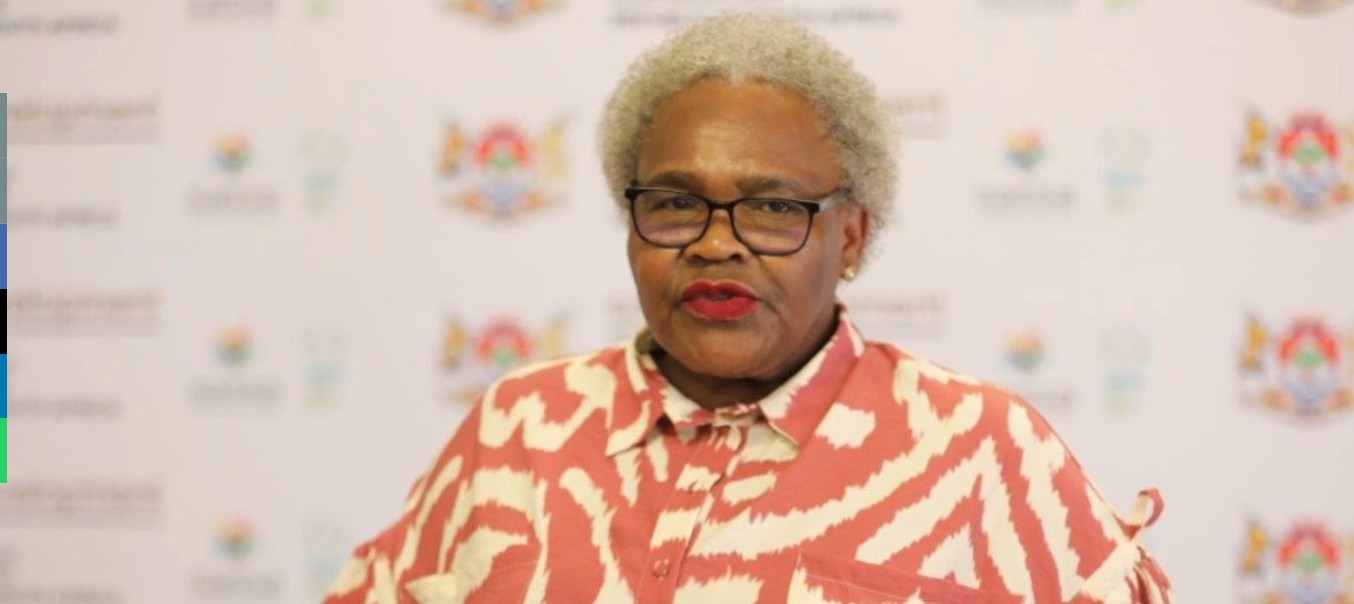
SOUTH Africa’s Social Development Minister Sisisi Tolashe has been dismissed by President Cyril Ramaphosa, ending a turbulent tenure increasingly overshadowed by allegations of ethical lapses, questionable appointments and abuse of public trust. The Presidency confirmed on Thursday that Tolashe had been removed under constitutional powers, with Sindisiwe Chikunga appointed acting minister pending a permanent replacement. No official reason was given for the dismissal. Her exit, however, followed months of mounting pressure. At the centre of the storm were allegations involving two luxury SUVs she said had been donated to the ANC Women’s League, which she leads. Critics accused her of failing to declare the vehicles properly, while opposition parties claimed they were instead registered in the names of her children. The matter triggered ethics complaints, criminal charges by ActionSA and growing calls for Ramaphosa to act. Tolashe denied wrongdoing and insisted that several claims against her were politically motivated or misleading. The scandal widened beyond the vehicles. Her ministry was shaken by allegations of irregular staffing decisions, including the appointment of a young chief of staff whose qualifications were later questioned. In May, Tolashe’s special adviser, Ngwako Kgatla, was suspended after a Public Service Commission probe found evidence of alleged CV manipulation linked to the appointment of a relative. The episode deepened perceptions of poor judgement and weak governance inside a department meant to protect South Africa’s most vulnerable citizens. That is what makes Tolashe’s fall particularly damaging. Social Development is not a ceremonial portfolio. It oversees welfare systems, social grants and programmes relied upon by millions of poor households, children, elderly citizens and people living with disabilities. A minister in that office must command confidence, especially in a country where poverty and inequality remain politically explosive. Instead, Tolashe’s final months became dominated by personal controversy rather than visible reform. This is an assessment based on the pattern of reported scandals and the timing of her removal. To her supporters, Tolashe was targeted while trying to impose accountability within the department. In an April statement, her office said she was confronting irregularities and restoring integrity, rejecting accusations as part of a “misinformation campaign.” Yet by the time Ramaphosa acted, the political damage had become difficult to contain. Tolashe leaves behind no celebrated reform legacy, but an inglorious departure marked by scandal, institutional embarrassment and unanswered questions. Her dismissal may close one chapter, but for South Africans, the more urgent issue is whether the department she leaves behind can regain credibility and return its focus to serving the poor.

 AfriFiles