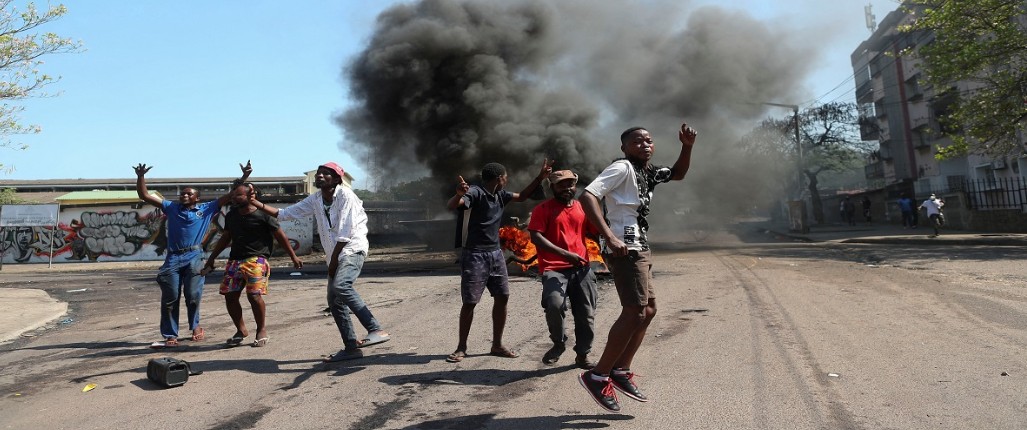
AFTER a relatively calm opening to the year, Mozambique' s troubled northern province of Cabo Delgado is again witnessing a worrying spread of insurgent violence. Recent attacks and armed movements have been reported across several districts, including Macomia, Mocedmboa da Praia, Nangade, Mueda, Meluco and Ancuabe, reviving fears that the conflict is entering another dangerous phase. The latest pattern, however, does not necessarily point to a full-scale territorial comeback by insurgents. Rather than mounting sustained assaults to seize towns, the fighters appear to be relying on mobile, fear-driven operations: ambushing road users, raiding artisanal mining sites, attacking villages, clashing with security forces and burning religious sites. In late April and early May, militants reportedly targeted gold-mining areas in southern Cabo Delgado, attacked a Catholic mission and fought Mozambican and Rwandan forces in the north. This strategy carries a clear psychological purpose. Reports of decapitations, church burnings and attacks on civilians are not merely acts of brutality; they function as propaganda. They send a message that the insurgents remain capable of striking across the province despite years of military operations. Earlier stages of the conflict used similar symbolic violence to spread panic, undermine confidence in state protection and discourage displaced communities from returning home. The latest incidents suggest that tactic is resurfacing. The humanitarian consequences are already mounting. In Nangade, recent attacks and insurgent movements reportedly forced at least 776 people to flee their homes. Relief agencies have warned that violence in northern Mozambique continues to constrain access, disrupt livelihoods and worsen displacement in a province already battered by years of conflict, climatic shocks and limited aid coverage. The danger now is that scattered attacks may achieve what a conventional offensive cannot: restoring fear across vast areas, stretching security forces and paralyzing daily life. Roads become uncertain, churches become symbols of vulnerability, mining sites become targets and rural communities once again live under the shadow of sudden violence. Cabo Delgado may not yet be facing a dramatic insurgent resurgence, but the renewed campaign of intimidation shows that the conflict remains far from contained.

 AfriFiles