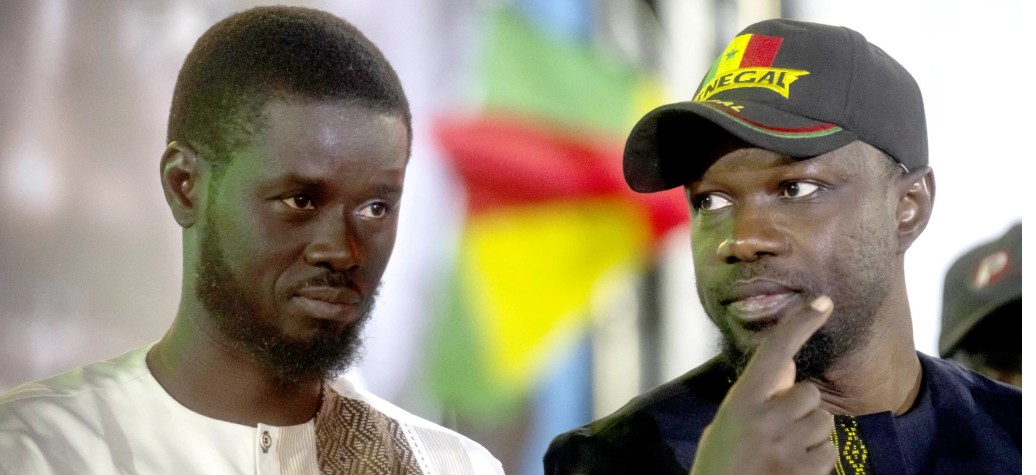
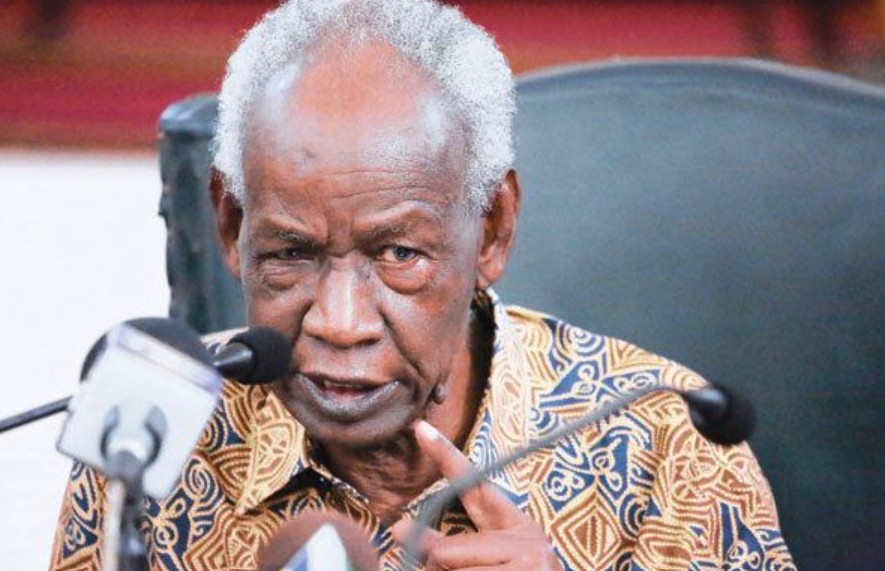
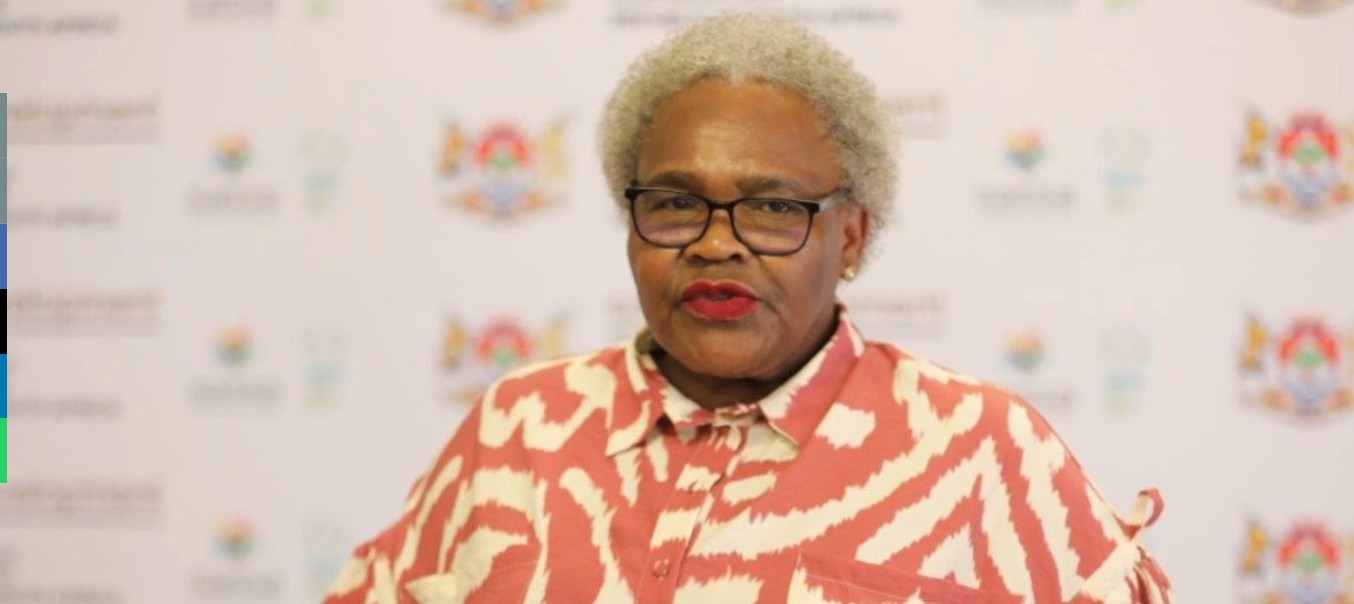
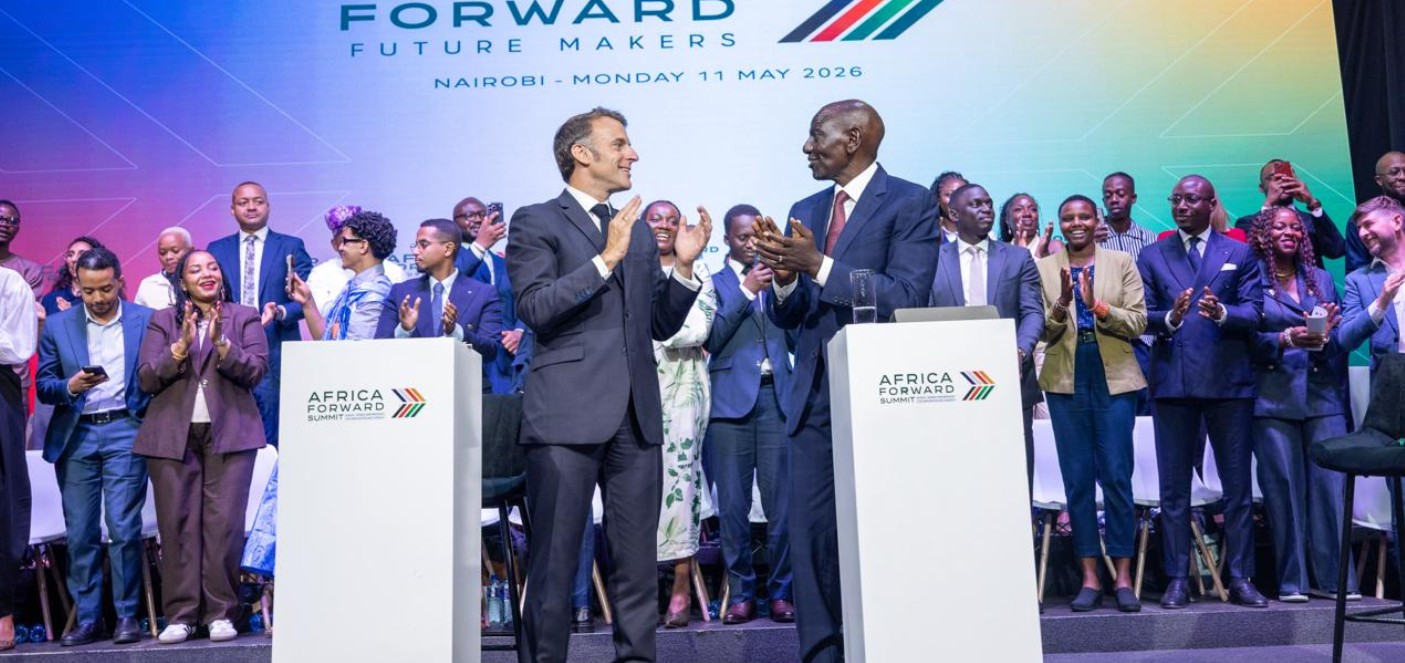
THE night of 22 May 2026 may be remembered as the moment Senegal’s revolutionary governing alliance ceased to be a partnership and became a contest for power. By dismissing Prime Minister Ousmane Sonko and dissolving the government, President Bassirou Diomaye Faye did more than remove a difficult ally. He redrew the architecture of authority inside a movement that had carried him to the presidency on promises of rupture, sovereignty and clean government. The move followed months of tension over policy direction, including how to manage Senegal’s debt crisis and negotiations with the International Monetary Fund. Faye’s choice of Ahmadou Al Aminou Lo, a seasoned economist and former central bank official, signals a clear turn toward technocratic reassurance. Lo’s mission is not only to form a government but to restore confidence among investors, creditors and international partners at a time when Senegal’s finances have become dangerously strained. With public debt reported at about 132 percent of GDP and an IMF support programme frozen after the discovery of previously unreported liabilities, Dakar needs credibility as much as it needs cash. Yet the political cost of this reset may be enormous. Sonko is not an ordinary dismissed prime minister. He remains the emotional engine, organisational brain and mass mobiliser of Pastef. His supporters see him as the authentic voice of the anti-establishment project, while Faye, once his chosen presidential standard-bearer, now risks being portrayed as the custodian of compromise. In a movement built on loyalty and sacrifice, dismissal can quickly be recast as betrayal. That risk became immediate when Senegal’s parliament elected Sonko as Speaker of the National Assembly on 26 May 2026, only days after his removal from government. From that office, he gains a constitutional platform, public visibility and institutional leverage. He may not sit in the presidential palace, but he can command the legislature, shape the tempo of confrontation and influence Pastef’s parliamentary majority. In practical politics, that is power by another route. Lo has pledged institutional coherence, but coherence will be difficult where the presidency, the cabinet and the ruling party machine appear to be moving in different directions. Faye may have opened the door to an IMF deal and a more disciplined economic programme. But he has also empowered the very rival he tried to contain. Senegal’s crisis is therefore no longer merely about debt or cabinet discipline. It is about who truly owns the mandate of change.

 AfriFiles